Patient Resources
Get Healthy!
Compounded Ozempic, Zepbound Still Widely Available Despite End Of Drug Shortages
- July 21, 2026
- Dennis Thompson HealthDay Reporter
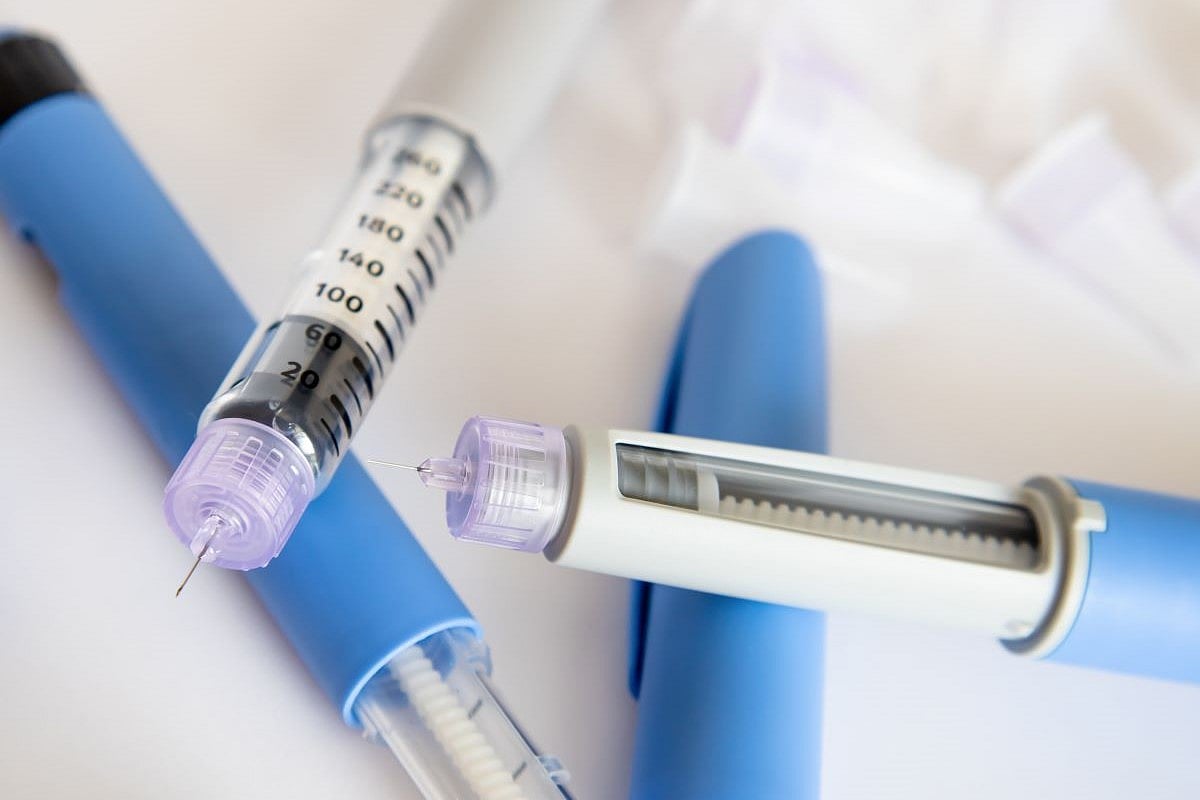
Americans are still buying compounded versions of Ozempic and Zepbound more than a year after federal regulators declared that shortages of those weight-loss drugs had ended, a new study says.
A "secret shopper" program identified dozens of clinics and medical spas in Oklahoma and West Virginia offering compounded versions of popular GLP-1 drugs like semaglutide (Ozempic/Wegovy) and tirzepatide (Mounjaro/Zepbound), researchers reported July 17 in JAMA Health Forum.
Some of the pharmacies supplying these meds lacked licenses required for sterile compounding or had been subject to disciplinary actions related to sterile compounding practices, researchers said.
Sterile practices are crucial for compounding injectable drugs like GLP-1 meds. Contaminated drugs that directly enter the bloodstream can cause a life-threatening infection.
"Our findings suggest this market didn't shrink after the shortages ended as many expected," said lead researcher Michael DiStefano, an assistant professor at the University of Colorado Anschutz Skaggs School of Pharmacy and Pharmaceutical Sciences.
"Instead, it has remained remarkably robust, raising important questions about how these products are regulated and how patients can know whether they're receiving medications that meet appropriate quality standards,” DiStefano said in a news release.
Demand for semaglutide and tirzepatide quickly outpaced supply following the drugs’ approval, landing them on the U.S. Food and Drug Administration’s (FDA) shortage list in 2022.
To help meet demand, the FDA temporarily allowed pharmacies to compound copies of the drugs. These compounded versions were either direct copies of the GLP-1 meds or contained additional substances like vitamin B12.
As the shortages eased, the FDA declared that by the end of May 2025 it would resume enforcement of laws prohibiting compounded copies of drugs not in short supply.
But researchers suspected the market remained strong, and set out to see if people were still able to easily purchase the compounded drugs.
The team reached out to 75 brick-and-mortar weight-loss clinics and medical spas advertising GLP-1 drugs for weight loss, posing as customers.
Results showed that 56% of the businesses offered compounded versions of GLP-1 drugs containing additional B vitamins, and nearly 10% offered GLP-1 compounds in pill form.
“It is likely that the number of businesses offering compounded GLP-1 [drugs] in these two states is higher given that we were unable to contact one-quarter of the originally identified businesses,” researchers wrote in their paper. “Assuming these findings can be generalized to other regions of the country, more than 4,000 such businesses may exist across the U.S.”
Compounding pharmacies may have been adding substances like B vitamins to GLP-1 meds so they can claim their products aren’t direct copies in violation of the law, researchers said.
"One concern is whether we're seeing clinically meaningful personalization or changes that primarily allow compounded products to remain on the market," DiStefano said. "For many of these added ingredients, we simply don't have good evidence showing they improve safety or effectiveness."
Researchers identified 23 compounding pharmacies supplying these businesses. Of those, four lacked licenses for sterile compounding, while several had recent disciplinary actions or FDA warning letters related to sterile compounding practices.
These compounded versions tend to be less expensive than brand-name GLP-1 meds, providing access to people of more limited means, DiStefano said.
But, he added, patients shouldn’t have to choose between affordability and drug quality.
"This market has grown so large and diffuse that it's difficult for regulators to oversee every pharmacy supplying these medications," DiStefano said. "Our findings suggest there's a need for regulatory innovation that preserves access while giving patients greater confidence that the products they're receiving are safe and appropriately manufactured."
Patients should not stop taking a prescribed GLP-1 compound based on this study without first discussing it with their doctor, researchers said.
Likewise, people interested in compounded GLP-1 meds should talk with their doc about why these drugs might be right for them, and whether the pharmacy they’ve heard about meets sterile compounding standards.
More information
Rasmussen University has more about drug compounding.
SOURCES: University of Colorado Anschutz, news release, July 17, 2026; JAMA Health Forum, July 17, 2026
